

Curriculum
Introduction
Liz Harris
As I began to write this “curriculum,” I felt the urge to make it strict and methodical, akin to a traditional school course. However, this is not intended to be a formal course or a step-by-step guide. This is about real human experiences unfolding in real time. What was once a sanctuary for girls and women—locker rooms and playing fields—has now become a space shared with biological males, raising concerns about the safety of girls and the integrity of women’s sports, including roster spots, team roles, podium placements, and records. Title IX has been a guiding light in my life, opening doors of opportunity, and I want the same for my daughters and the next generation of girls who deserve the space and platform to thrive as individuals and as a community.
In 1995, I accepted my first job out of Lehigh University as an assistant women’s lacrosse coach at Harvard University. I had the privilege of working under Carole Kleinfelder, a trailblazer and staunch advocate for Title IX. Carole became the Head Coach at Harvard in 1979, just seven years after Title IX was enacted into law. She gifted me my very first Title IX hat, encouraging me to wear it with pride and to always advocate for Title IX and girls’ sports—after all, it was through this legislation that we both found our careers and learned invaluable lessons in teamwork, leadership, humility, pride, and perseverance.
Years later, while attending law school, I had the opportunity to collaborate with a professor on a research project focused on Title IX. At that time, I never imagined that by 2025, we would be fighting to protect girls’ sports from the participation of biological males. This Athletes For Action Guide is dedicated to Carole Kleinfelder, who instilled in me a love for coaching and a passion for Title IX.
Collaboration
Identifying Stakeholders in Advocacy for Girls' Sports
Engaging in advocacy for girls’ sports hinges on recognizing and harnessing the influence of key stakeholders. Each group plays an essential role in fostering an environment that promotes and supports female athletes. Here’s a closer look at these stakeholders and strategies to effectively engage them.
Key Stakeholder Groups
- Parents – Parents are often the most passionate advocates for their daughters in sports. Their emotional and practical support—through volunteering, fundraising, and lobbying for equal opportunities—can be transformative. Involve parents in advocacy discussions to empower them. Parents often have wisdom and life experience that can guide you through difficult situations. Sharing your experiences can lead to valuable insights but you can also help your parents
- Coaches and Educators – Coaches significantly influence athletes’ development and can foster inclusive environments that build confidence in young female athletes. They are also key to maintaining the integrity of girls’ sports.
- Engagement Strategy: Provide training sessions for coaches on gender equity and inclusivity in sports. Encourage them to mentor young female athletes and advocate for their needs.
- Schools and Administrators – School sports administrators shape policies and ensure equitable access to resources for female athletes, playing a crucial role in the operational aspect of girls’ sports.
- Engagement Strategy: Collaborate with school administrators to assess current policies, identify gaps, and advocate for changes that support girls’ sports programs.
- Local Organizations and Community Leaders – Community organizations (recreational leagues, sports clubs, youth programs) can provide essential funding, training, and mentorship opportunities. Community leaders can rally support and awareness around initiatives for girls in sports.
- Engagement Strategy: Build partnerships with local organizations to enhance resources for girls’ athletics. Organize community events that highlight the importance of girls’ sports and solicit support from community leaders.
Strategies for Engagement
To effectively engage these stakeholders, consider the following advocacy strategies:
- Communication: Maintain regular communication and share success stories, progress updates, and important developments in girls’ sports to keep stakeholders informed and invested.
- Education: Organize workshops, seminars, and training sessions aimed at educating stakeholders about the benefits of protecting girls’ sports.
- Recognition: Acknowledge and celebrate the contributions of stakeholders. Recognizing their efforts through awards, public shout-outs, or feature stories can motivate continued support and engagement.
Conclusion
By identifying and engaging these key stakeholders—parents, coaches, educators, school administrators, local organizations, and community leaders—advocacy efforts for girls’ sports can be significantly strengthened. Implementing effective communication, involvement, education, and recognition strategies will create a supportive network that champions the growth and success of female athletes.
Persistence
A Long Term Commitment
Absolutely, advocacy is indeed a long-term commitment that requires dedication, resilience, and passion. The journey can be challenging, often filled with setbacks and obstacles, yet the small victories along the way can serve as powerful motivators. Each new generation of athletes and stakeholders brings fresh perspectives, energy, and enthusiasm, which can reinvigorate the movement and inspire others to join the cause.
Moreover, the collective effort of seasoned advocates and newcomers creates a rich tapestry of experiences and ideas, fostering innovation and adaptability within the advocacy community. As younger athletes become involved, they not only learn from the established advocates but also contribute their unique insights, helping to shape the direction of the movement.
Celebrating small wins is crucial, as these achievements build momentum and encourage continued engagement. Whether it’s raising awareness, influencing policy changes, or creating supportive environments, every step forward is significant. It’s this combination of perseverance and the infusion of new energy that can lead to meaningful and lasting change in the advocacy space.
Messaging and Style
Understanding Your Audience
Recognizing the unique motivations and concerns of your audience is crucial. Each group—parents, coaches, educators, and administrators—has specific interests:
- Parents: They seek to understand how participation in sports can benefit their daughters, both personally and academically.
- Coaches and Educators: Their focus lies in the practical implementation of sports programs, winning games and ensuring a positive experience for all athletes.
- Administrators: They prioritize inclusivity and the overall impact of sports on school culture and student engagement.
By identifying these motivations, you can tailor your messages to connect with each audience’s priorities.
Crafting Persuasive Messages
To strengthen your advocacy, consider incorporating the following elements into your messaging:
- Clear Purpose: Define your objectives clearly. Whether you’re pushing for individual private changing rooms and/or preventing biological boys from competing in girls’ sports, a well-articulated purpose is essential.
- Emotional Appeal: Personal stories and testimonials from young female athletes can create emotional connections. Sharing experiences emphasizes the transformative power of sports and motivates others to act.
- Facts and Data: Support your messages with credible statistics and research. Highlight the benefits of sports on girls’ mental health, physical well-being, and academic performance. Evidence-based arguments reinforce the necessity of supporting girls’ sports.
- Call to Action: Encourage your audience to take specific actions. Whether it’s signing a petition, attending a community meeting, or sharing information, a strong call to action fosters a sense of urgency and involvement in the cause.
Engaging Through Various Channels
Different communication channels can enhance your outreach efforts:
- Social Media: Utilize platforms like Facebook, Twitter, and Instagram to connect with parents and community members. Regular updates about events, athlete achievements, and advocacy initiatives can build support and engagement.
- Newsletters and Emails: Tailor content for different stakeholders through newsletters and direct emails. Addressing specific interests—such as updates geared towards parents compared to those for educators—can improve engagement.
- Community Meetings: Hosting forums or town hall discussions allows for live interaction. This face-to-face engagement can facilitate real-time feedback, fostering a collaborative atmosphere for sharing ideas and solutions.
Training for Effectiveness
To enhance your communication skills, consider participating in or organizing workshops that cover:
- The Art of Storytelling: Learn how to effectively share compelling narratives in advocacy.
- Using Data Effectively: Understand best practices for incorporating statistics in your discussions.
- Engaging Stakeholders: Explore techniques for fostering dialogue and involvement in various settings.
By refining these communication strategies, advocates for girls’ sports can craft impactful messages that resonate with diverse audiences. This approach not only drives awareness but also mobilizes support, ultimately leading to meaningful change in the landscape of female athletics.
References
Thought Leadership
I find it incredibly valuable to read and listen to thought leaders in this space. Athletes like Riley Gaines, Paula Scanlon, and Elizabeth Eddy are courageous women who have shared their experiences and expressed their views through spoken and written word. We can learn a great deal from them.
Explore
Be Brave Blog

Athletes for Action: Who We Are & Why You Should Join
By: Liz Harris In July 2023, Bridget Michener and I—both former collegiate athletes and mothers of athletes—joined an in...

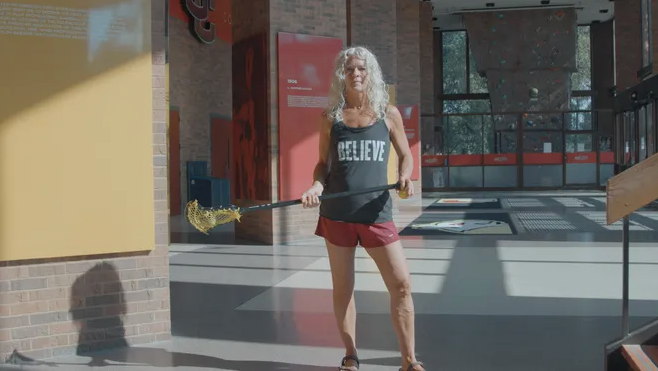
Fighting for the Future of Women’s Sports: A Call to Action
By: Kim Russell “The Hippie Love Coach” As a lifelong advocate for women and girls in sports, I find myself in a battle...
Inquiries?
Get in touch with Athletes for Action.
Phone:
Email:
info@athletesforaction.com
Interested in creating a A4A chapter at your high school or college?
Please reach out to Liz Harris at (215) 300-9827.
At Athletes For Action, our mission is to educate, empower, and advocate for Title IX and the advancement of girls’ and women’s sports while protecting the integrity of these programs. We believe in giving parents and girls a voice, ensuring their concerns are heard and valued as we actively lobby for girls’ rights in sports and push for equitable policies and legislation. By working collaboratively with schools, leagues, and stakeholders, we develop innovative solutions that guarantee fair locker room spaces and athletic opportunities for female athletes. Our commitment is to foster a culture of inclusivity and support, enabling every girl to thrive in a safe and empowering environment, while we strive to break down barriers and create a brighter future for women’s sports by upholding the rights of female athletes at all levels.