1. Sex-Based Eligibility Laws
- Require participation based on biological sex
- Typically applies to K–12 and sometimes collegiate athletics
- Aim to preserve fairness in female categories
2. Association-Based Policies
- Delegate rule-making to state athletic associations
- Often involves eligibility reviews or medical documentation
3. Laws Currently Blocked or Challenged
- Some statutes are temporarily unenforced due to court orders
- Enforcement may depend on future court rulings or federal guidance
Legal and Policy Implications
State laws can affect:
- Team rosters and championship qualification
- Scholarship opportunities
- Privacy and safety in locker rooms
- Long-term participation trends in girls’ sports
Ongoing court cases mean:
- Laws may change
- Schools must stay informed and compliant
- Athletic administrators face evolving guidance
Idaho was the first state to outright ban transgender student athletes from participating in school sports in 2020. In February 2020, Idaho Rep. Barbara Ehardt introduced HB 500. The bill sought to regulate eligibility for girls’ and women’s sports at publicly funded schools and institutions of higher education by barring transgender girls and women from participating in the women’s category. So far, 27 states have passed laws, and 2 have enacted regulations or agency policies banning biological males who identify as female from participation in women’s sports.
States With Laws Restricting Transgender Students From Participating in School Sports That Do Not Align With Their Biological Sex
- Alabama
- Arkansas
- Florida
- Georgia
- Indiana
- Iowa
- Kansas
- Kentucky
- Louisiana
- Mississippi
- Missouri
- Montana
- Nebraska
- New Hampshire
- North Carolina
- North Dakota
- Ohio
- Oklahoma
- South Carolina
- South Dakota
- Tennessee
- Texas
- Wyoming
States With Laws That are Blocked by Court Order Restricting Transgender Students From Participating in School Sports That Do Not Align With Their Biological Sex
- Arizona
- Idaho
- Utah
- West Virginia
*This refers to states that have passed laws restricting transgender students from participating in school sports that do not align with their biological sex, but those laws are currently not being enforced because a court has blocked them, because a judge has issued an injunction or ruling that temporarily or permanently stops the law from taking effect while legal challenges are ongoing or resolved.
States with Regulation or Agency Policy Restricting Transgender Students From Participating in School Sports That Do Not Align With Their Biological Sex
- Alaska
- Virginia
States with No Law, Regulations, or Agency Policies Restricting Transgender Students From Participating in School Sports That Do Not Align With Their Biological Sex
- California
- Colorado
- Connecticut
- Delaware
- Hawaii
- Illinois
- Maine
- Maryland
- Massachusetts
- Michigan
- Minnesota
- Nevada
- New Jersey
- New Mexico
- New York
- Oregon
- Pennsylvania
- Rhode Island
- Vermont
- Washington
- Wisconsin
(source: CNN- https://www.cnn.com/politics/live-news/supreme-court-arguments-transgender-athletes-01-13-26)
How Do These State Laws Get Passed?
- Idea & Drafting: A concept for a new law is developed and written into a formal bill, often by a legislator or interest group.
- Introduction: A bill is introduced by a sponsor in either the House or the Senate
- Committee Review: The bill goes to relevant committees for research, hearings, amendments, and a vote to either kill it or send it to the full chamber.
- Chamber Debate & Vote: The full House or Senate debates the bill, makes changes, and votes; a simple majority is usually needed for passage.
- Second Chamber: If passed, it moves to the other chamber (e.g., from House to Senate), where it goes through a similar committee and voting process.
- Conference Committee (If Needed): If the second chamber amends the bill, a conference committee composed of members from both chambers resolves the differences.
- Governor’s Action: The final identical bill is sent to the Governor, who can:
- Sign it: It becomes law.
- Veto it: Reject it.
- (If Vetoed): The legislature can often override a Governor’s veto with a supermajority (like two-thirds) vote in both chambers.
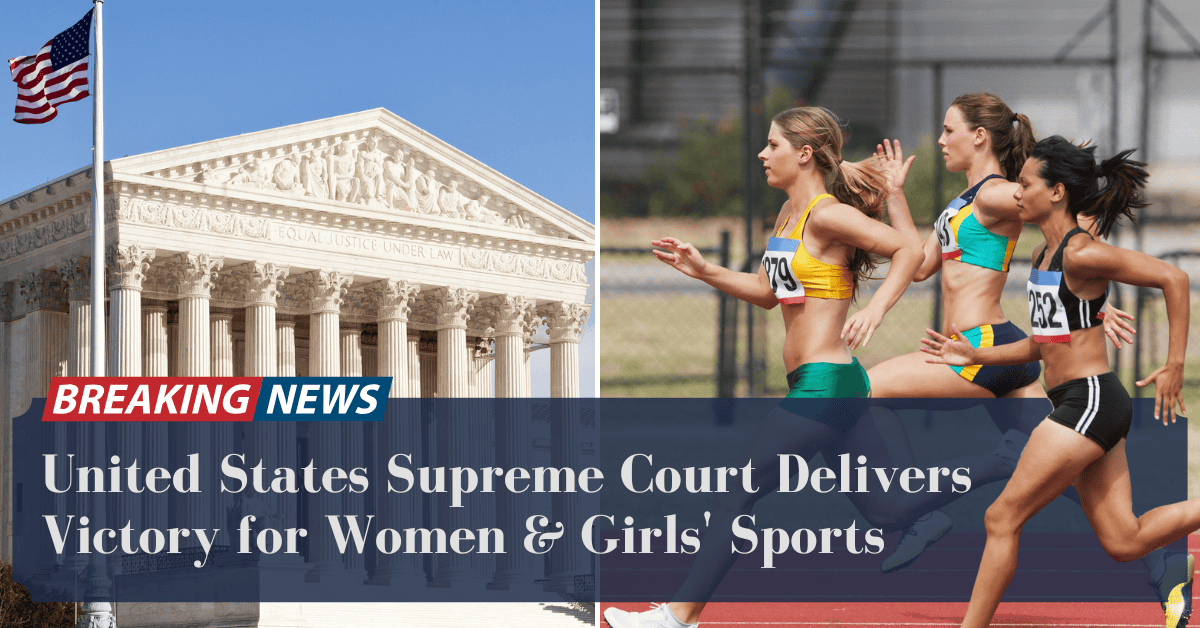
In the next unit, we will explore two significant Supreme Court cases heard in January 2026, and how the Court’s decision, expected in the summer of that same year, will impact state laws in the 27 states that currently protect girls’ and women’s sports. We will also discuss whether the Supreme Court’s ruling will influence states that do not currently have protections in place for girls and women’s sports.
The focus on this issue has been largely driven by media coverage. The news surrounding the Supreme Court hearings in January brought to light the contrasting attitudes of politicians towards this topic. While some are willing to advocate for women, others are cautious about taking a stance that may be unpopular with their constituents. For instance, Pennsylvania Governor Shapiro stated that “local sports officials should be the ones in charge of determining the participation of transgender athletes in sports,” yet personally believed that trans youth should not have an unfair advantage on the playing field. This statement left me confused, especially considering that a bipartisan bill protecting girls’ and women’s sports was on his desk for approval but was ultimately denied.
Given that the decision has been left to local sports leagues, we now see a patchwork of regulations. Some leagues, like the PIAA (the largest youth athletic league in Pennsylvania), adhere to federal law under Title IX, while leagues such as the Interac allow students to compete in the sports of the gender they identify with on a seasonal basis. This leads to important questions: What happens when an Interac school competes against a PIAA school?